Business Hours: 7am - 5pm | Mon - Fri | Call us now at +1-919-996-9226

In this guide, we will tackle the critical aspects before you can operate a crane, exploring the importance of training, safety measures, and the expanding role of operators in the construction industry.
Sections:
From obtaining the necessary diploma, or GED, to addressing the intricacies of operating different types of cranes, we will unravel the essential elements that contribute to a crane operator’s skill set and the safe execution of crane operations in diverse construction scenarios.
| Do’s When Operating a Crane | Don’ts When Operating a Crane |
|---|---|
| 1. Perform Pre-Operational Checks: Before operation, conduct thorough pre-operational checks to ensure the crane is in proper working condition. | 1. Skip Pre-Operational Inspections: Don’t skip or overlook pre-operational inspections, as this can lead to equipment malfunctions and accidents. |
| 2. Check Load Capacity: Always verify the crane’s load capacity and adhere to weight limits specified by the manufacturer. | 2. Exceed Load Capacity: Never exceed the crane’s load capacity, as this can jeopardize stability and lead to catastrophic failure. |
| 3. Use Rigging Equipment Properly: Ensure proper use of slings, hooks, and other rigging equipment. Follow recommended configurations and load securing practices. | 3. Incorrect Rigging Config: Avoid using improper rigging configurations or ignoring guidelines, as it can result in load instability and accidents. |
| 4. Plan Lifts Carefully: Plan crane lifts in advance, considering factors like load weight, boom length, and environmental conditions. | 4. Rush or Improvise Lifts: Avoid rushing or improvising lifts without proper planning, as it increases the risk of accidents and damage. |
| 5. Communicate Effectively: Establish clear communication channels with signal persons and other team members involved in the lifting operation. | 5. Disregard Communication Protocols: Don’t disregard communication protocols or signals, as miscommunication can lead to accidents or injuries. |
| 6. Maintain a Stable Base: Ensure the crane is set up on a stable and level surface before lifting operations begin. | 6. Operate on Unstable Ground: Avoid operating the crane on unstable or uneven ground to prevent tip-overs and accidents. |
| 7. Verify Weather Conditions: Check and respond to weather conditions, avoiding crane operation in high winds, storms, or other adverse weather situations. | 7. Ignore Weather Alerts: Never ignore weather alerts or operate the crane in adverse weather conditions that could compromise safety. |
| 8. Use Outriggers and Stabilizers: Deploy outriggers and stabilizers as required to enhance the crane’s stability during lifting operations. | 8. Forget to Use Outriggers: Don’t forget to use outriggers when necessary, as their omission can result in instability and accidents. |
| 9. Keep a Safe Distance: Maintain a safe distance from power lines, structures, and other obstacles during crane operation. | 9. Approach Power Lines Closely: Avoid approaching power lines closely, as this can lead to electrocution hazards. |
| 10. Follow Manufacturer Guidelines: Adhere to the crane manufacturer’s guidelines and recommendations for safe operation and maintenance. | 10. Neglect Operator Training: Ensure operators are adequately trained and certified; avoid allowing untrained individuals to operate the crane. |
What is a crane machine?
A crane machine, commonly known as a crane, is a construction tool in the form of a heavy vehicle designed for lifting, moving, and lowering heavy loads of materials within various industrial settings.
Cranes consist of a vertical framework, a horizontal boom, and a lifting mechanism equipped with a hook or specialized attachment. They are integral to construction, manufacturing, and shipping. The diverse types of cranes, including tower cranes, mobile cranes, crawler cranes, and overhead cranes, cater to different applications.
These machines provide the necessary capacity and reach to handle materials that would be impractical for manual lifting, and their operation requires specialized training to ensure both safety and efficiency in diverse work environments.
Steps and requirements before you can operate a crane
The specific steps and requirements may vary depending on local regulations and the type of vehicle before you can operate a crane, but generally, the following process involves the following:
- Education and Eligibility:
- Obtain a high school diploma or equivalent (GED). Some crane operator training programs may have specific educational requirements.
- Age and Physical Fitness:
- Ensure you meet the age requirements set by regulatory authorities. Crane operators often need to be at least 18 years old.
- Maintain good physical fitness, as the job can be physically demanding.
- Enroll in a Crane Operator Training Program:
- Attend a recognized crane operator training program. These programs cover theoretical and practical aspects of crane operation, safety protocols, and equipment maintenance.
- Classroom Training:
- Participate in classroom sessions to learn about crane components, safety regulations, load charts, rigging, and signaling.
- Practical Training:
- Gain hands-on experience with crane operation under the supervision of qualified instructors. Practical training is essential for developing skills in crane setup, load handling, and maneuvering.
- Written Examinations:
- Complete written examinations to assess your understanding of crane operation principles, safety guidelines, and relevant regulations.
- Practical Examinations:
- Undergo practical assessments to demonstrate your ability to operate a crane safely and efficiently.
- Obtain Required Certifications:
- Acquire the necessary certifications. In some regions, obtaining a certification from a recognized authority is a legal requirement for crane operation.
- Licensing and Permits:
- Obtain any required licenses or permits to operate a crane legally. Regulatory bodies may have specific requirements for licensing based on crane type and capacity.
- Medical Examination:
- Undergo a medical examination to ensure that you are physically fit to operate a crane. Good vision, hearing, and overall health are essential for crane operators.
- Employer-Specific Training:
- Some employers may have additional on-the-job training to familiarize operators with specific crane models or site protocols.
- Continuous Learning and Renewal:
- Stay informed about industry updates, technological advancements, and safety regulations.
- Renew certifications as required by local regulations and industry standards.

Are cranes difficult to operate?
Yes, operating a crane is a highly skilled profession that demands precision, expertise, and a deep commitment to safety. Crane operators, often referred to as the backbone of construction projects, play a pivotal role in maneuvering these massive pieces of equipment to lift, move, and position heavy materials.
Whether it’s the towering presence of tower cranes on a construction site or the mobility of mobile cranes, operators are entrusted with the responsibility of handling intricate machinery, often involving wire rope and other complex mechanisms.
The significance of proper training cannot be overstated before you can operate a crane, with specialized crane training programs ensuring operators are well-versed in safety protocols and the efficient use of equipment.
Salary of crane operators
In the United States, as of my knowledge based on data from January 2022, the average yearly salary for crane operators was around $60,000 to $70,000. However, salaries can range from approximately $45,000 for entry-level positions to over $90,000 for highly experienced and specialized crane operators.
It’s important to note that salaries can differ significantly in different regions and countries. Additionally, factors such as the demand for crane operators in a particular industry, the complexity of the cranes operated, and the level of responsibility involved can influence salary levels.
For the most accurate and up-to-date information, it’s recommended to refer to recent salary surveys, industry reports, or labor market data specific to the region or country of interest.

How do you operate a crane?
To operate a crane, it requires a combination of training, skill, and adherence to safety protocols. The specific steps may vary depending on the type of crane and the nature of the job, but the common basic steps are provided below:
- Pre-operation Inspection:
- Conduct a thorough inspection of the crane before operation. Check for any visible damage, leaks, or issues with components. Ensure that safety devices are functional.
- Check Load Capacity:
- Review the load capacity chart for the specific crane model to determine the maximum weight it can safely lift.
- Understand Signals:
- Establish communication signals with a signal person or team. Clear and consistent communication is crucial for safe crane operation.
- Secure the Area:
- Ensure the work area is clear of obstacles, and the ground is stable and level. Barricade the area if necessary to prevent unauthorized access.
- Cabin Entry and Start-up:
- Enter the crane cabin using proper access points. Start the crane according to the manufacturer’s guidelines.
- Check Controls:
- Familiarize yourself with the crane controls. Verify that all controls are in working order, including those for hoisting, lowering, swinging, and telescoping.
- Lift Preparation:
- Attach the appropriate lifting equipment, such as hooks or slings, securely to the load. Ensure the load is properly balanced.
- Lift Execution:
- Gradually lift the load using smooth and controlled movements. Avoid sudden starts or stops to prevent swinging of the load.
- Monitor Surroundings:
- Continuously monitor the surroundings, including the load, rigging, and the crane’s position. Be aware of any potential hazards or obstructions.
- Communication:
- Maintain clear communication with the signal person or team throughout the lift. Follow established signals precisely.
- Positioning and Placement:
- Maneuver the crane to the desired position for load placement. Lower the load with care, ensuring it lands securely in the designated area.
- Shutdown Procedure:
- Shut down the crane according to the manufacturer’s guidelines. Secure the crane, and if applicable, engage safety mechanisms.
- Post-operation Inspection:
- After the operation, conduct a post-operation inspection to identify and address any issues or damage. Report any concerns to appropriate personnel.
- Documentation:
- Maintain proper documentation, including lift plans, inspection records, and any relevant permits.
Safety measures and requirements
Safety in crane operations is important. Prior to operation, a thorough pre-use inspection of the crane is imperative. Load capacity charts must be diligently consulted to prevent overloading, and clear communication signals must be established with a designated signal person.
The work area should be meticulously cleared of obstructions, and stable ground conditions should be ensured. During the work, crane operators must maintain constant vigilance, monitoring the load, surroundings, and any potential hazards.
A strict no-go zone should be enforced to prevent unauthorized access, and the crane’s movements must be deliberate and controlled. Regular and documented equipment inspections, compliance with industry and regulatory standards, and adherence to manufacturer guidelines contribute to a comprehensive safety approach.
Operator training and certification, including a focus on proper rigging techniques and emergency procedures, are fundamental prerequisites for safe crane operation. Regular updates on safety protocols, ongoing education, and a commitment to continuous improvement underscore the importance of fostering a safety-conscious culture in crane operations.
Where is the crane being used?
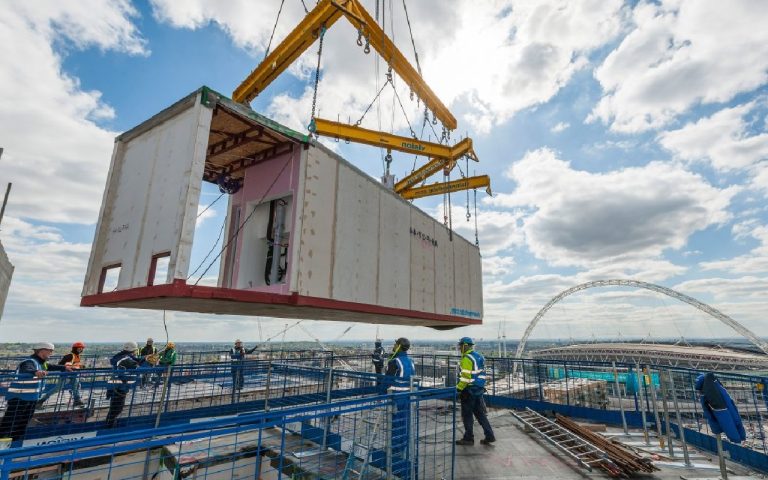
Cranes can be used in different applications in different industries around the world. On bustling construction sites, towering cranes dominate the skyline, deftly maneuvering heavy building materials to precise locations during the construction of high-rise structures.
In manufacturing facilities, overhead cranes facilitate the movement of large and cumbersome materials within warehouses and production spaces. At shipping ports, expansive gantry cranes load and unload shipping containers from vessels with efficiency.
Mobile cranes, equipped with mobility features, navigate various terrains, making them indispensable in infrastructure projects ranging from road construction to bridge development. Moreover, crawler cranes excel at stability on rough terrain, serving well in challenging environments such as mine sites.
Is operating a crane easy for beginners?
Bing able to operate a crane is not considered easy for beginners due to the complexity and responsibility associated with the task. Crane operation requires a unique skill set, including spatial awareness, hand-eye coordination, and a deep understanding of the equipment and safety protocols.
Beginners must undergo specialized training programs to learn the intricacies of crane operation, covering topics such as load charts, rigging techniques, and safety procedures. The diverse types of cranes, each with its own set of controls and functionalities, add to the complexity.
Additionally, novice crane operators need to grasp the importance of communication with signal personnel as well as the ability to make quick decisions in dynamic work environments. While it may be challenging initially, with proper training, hands-on experience, and a commitment to safety, individuals can gradually acquire the skills needed to operate a crane proficiently.