Business Hours: 7am - 5pm | Mon - Fri | Call us now at +1-919-996-9226

Buildings and infrastructure can be completed successfully with the use of different construction equipments, which are incredibly useful at every level of the building process. They are essential for activities such as excavation, lifting, and material handling, among others.
Sections:

In this article, we will look at the different types and uses of construction equipment, the most common heavy equipment utilized, safety considerations when operating them, and how they contribute to the efficiency of construction projects.
What are the different types of construction equipment?
Construction equipment encompasses a wide variety of machinery designed to carry out specific tasks on a construction site. Some of the most common types include excavators, loaders, and cranes.
| Heavy Vehicles | Use in Construction |
|---|---|
| 1. Excavator: | Excavation: Used for digging and removing earth, rocks, and debris. Essential for foundation digging, trenching, and material handling. |
| 2. Bulldozer: | Earth Moving: Bulldozers push and shove large quantities of earth and debris, leveling the ground and creating access roads on construction sites. |
| 3. Wheel Loader: | Material Loading: Wheel loaders are employed to scoop up and transport various construction materials, such as sand, gravel, and soil, within the site. |
| 4. Grader: | Grading and Leveling: Graders are used for shaping and leveling the ground to achieve a smooth and even surface for roads, foundations, and landscaping. |
| 5. Backhoe Loader: | Versatile Excavation: Combining the capabilities of a loader and excavator, backhoe loaders are versatile for digging, lifting, and material handling tasks. |
| 6. Crane: | Heavy Lifting: Cranes are indispensable for lifting and moving heavy materials, equipment, and structures during construction projects. |
| 7. Concrete Mixer Truck: | Concrete Mixing and Transport: Concrete mixer trucks mix and transport concrete to construction sites, ensuring a continuous supply for various building elements. |
| 8. Dump Truck: | Material Transport: Dump trucks transport bulk materials like soil, gravel, and debris from one location to another on construction sites. |
| 9. Paver: | Road Construction: Pavers are used to lay asphalt or concrete for the construction of roads, highways, and other paved surfaces. |
| 10. Roller Compactor: | Compaction: Roller compactors are essential for compacting soil, asphalt, and other materials to ensure stability and reduce the risk of settling. |
| 11. Tower Crane: | Vertical Lifting: Tower cranes are used in tall construction projects to lift heavy materials and equipment to different levels of the structure. |
| 12. Crawler Dozer: | Heavy Earth Moving: Crawler dozers excel in moving large amounts of earth and debris, particularly in rough terrains and challenging conditions. |
| 13. Articulated Hauler: | Hauling on Uneven Terrain: Articulated haulers are designed to navigate rough and uneven terrains, transporting materials across construction sites. |
| 14. Telescopic Handler: | Material Handling and Lifting: Telescopic handlers extend and lift materials, making them useful for tasks such as loading and unloading at varying heights. |
| 15. Scraper: | Earth Removal: Scrapers are specialized for efficiently removing and transporting large volumes of earth during excavation and grading. |
| 16. Asphalt Paver: | Asphalt Placement: Asphalt pavers lay asphalt on roads and surfaces with precision, ensuring a smooth and even finish. |
| 17. Concrete Pump: | Concrete Placement: Concrete pumps are used to transport and place concrete in areas that are challenging to access, such as high-rise construction sites. |
| 18. Water Truck: | Dust Suppression and Compaction: Water trucks are used to suppress dust on construction sites and provide moisture for soil compaction. |
| 19. Dragline Excavator: | Deep Excavation: Dragline excavators are specialized for deep excavation, such as mining and large-scale earthmoving projects. |
| 20. Road Sweeper: | Site Cleanup: Road sweepers clean construction sites by removing debris, dirt, and dust, ensuring a safe and organized environment. |
How is construction equipment used in building projects?
Construction equipment is employed across several crucial functions within building projects, each catering to specific construction needs, and here are some of them:
Earthmoving and Excavation
Excavators, backhoes, and bulldozers are widely used for earthmoving and excavation processes, including digging trenches, grading, and clearing away debris to prepare the site for construction activities.
Material Handling and Lifting
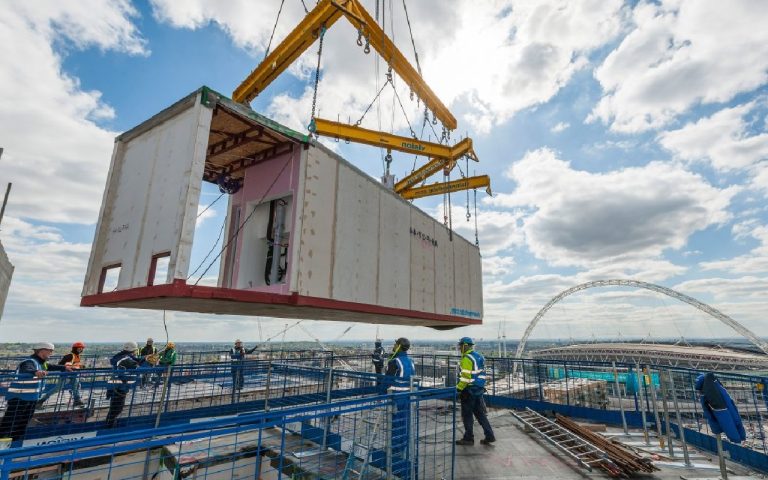
Equipment such as cranes, forklifts, and loaders is pivotal for material handling and lifting tasks, enabling the efficient transportation and positioning of heavy building materials and components.
Surface Preparation and Paving
Construction projects often require surface preparation and paving, which involves the use of machinery like compactors, asphalt pavers, and graders to ensure the smooth and durable construction of roads and pavements.

What are the common heavy equipment used in construction?
Several heavy equipment types are widely utilized in the construction industry, each serving specific purposes for efficient project execution, and here are the following:
Backhoes
Backhoes are versatile pieces of heavy equipment that combine the capabilities of an excavator and a loader. They are commonly used for tasks such as digging, trenching, and material handling on construction sites.
Bulldozers
Bulldozers are powerful tracked machines equipped with a substantial metal plate (blade) used for pushing sandy, rocky, or highly compacted materials during construction activities, making them essential for grading and clearing work.
Forklifts
Forklifts are vital equipment for lifting and transporting heavy materials within construction sites. They are equipped with fork-like prongs to lift and move objects to different locations.
What are the safety considerations when operating heavy construction equipment?
Safe usage of heavy construction equipment is paramount to the well-being of workers and the successful completion of projects. Several safety considerations must be adhered to when operating these powerful machines.
1. Proper Training and Certification
Operators of heavy equipment must undergo comprehensive training and obtain the relevant certifications to ensure they possess the necessary skills and knowledge to operate the machinery safely and effectively.
2. Maintenance and Inspections
Routine maintenance and thorough inspections of construction equipment are crucial to identify and address any potential malfunctions or component wear that may compromise safety during operation.
3. Adherence to Standard Operating Procedures
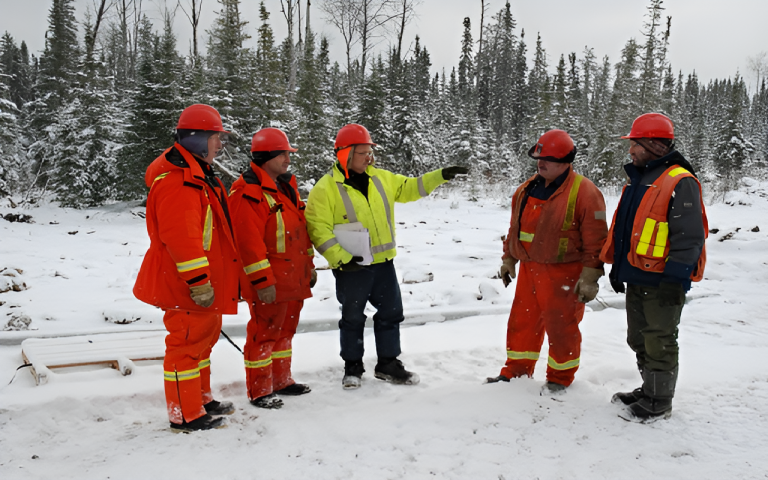
Strict adherence to standard operating procedures, including the use of personal protective equipment, following equipment manuals, and adhering to safety guidelines, plays a pivotal role in ensuring safe operation and accident prevention.
How does construction equipment contribute to the efficiency of construction projects?
Construction equipment significantly enhances the efficiency and productivity of construction projects through various mechanisms and capabilities.
Increased Productivity and Speed
Heavy equipment expedites construction activities, resulting in increased productivity and speed during various project phases, ultimately leading to timely project completion.
Improved Accuracy and Precision
Advanced construction machinery offers precision and control in tasks such as excavation and material placement, ensuring the accuracy of construction elements and reducing the margin of error.
Enhanced Safety Measures
Modern construction equipment incorporates advanced safety features and ergonomic designs, contributing to a safer working environment for construction personnel and minimizing the risk of workplace accidents.
FAQs
Which are the most common types of heavy construction equipment?
Some common types of heavy construction equipment include excavators, bulldozers, wheel loaders, backhoe loaders, and cranes.
What are the main work tools used in construction?
The main work tools used in construction include track loaders, skid steers, wheel loaders, and motor graders.
What is the purpose of a compact track loader?
A compact track loader is designed to perform tasks in challenging terrain and confined spaces where traditional equipment may not be suitable.
What is a scissor lift used for in construction?
A scissor lift is commonly used to provide temporary access and elevated work platforms for construction workers in high places.
How is a cold planer used in construction?
A cold planer, also known as a pavement planer, is used to remove worn-out pavement to prepare for new asphalt or concrete layers.
What is the role of a boom lift in construction?
A boom lift is used to provide aerial access for construction workers when working at height, such as for building maintenance or construction tasks.
What are some common tasks for a backhoe loader?
Common tasks for a backhoe loader include excavation, digging trenches, lifting materials, and loading trucks at construction sites.
How are dump trucks utilized in construction?
Dump trucks are used to transport and unload materials such as sand, gravel, and demolition waste at construction sites.
What are the primary features of a wheel loader?
A wheel loader is equipped with a large bucket in the front for loading materials, and it is often used for earthmoving and material handling tasks.
What are the important considerations for selecting the right construction equipment?
When selecting construction equipment, it is important to consider factors such as the specific tasks to be performed, site conditions, equipment capacity, and efficiency requirements.