Business Hours: 7am - 5pm | Mon - Fri | Call us now at +1-919-996-9226

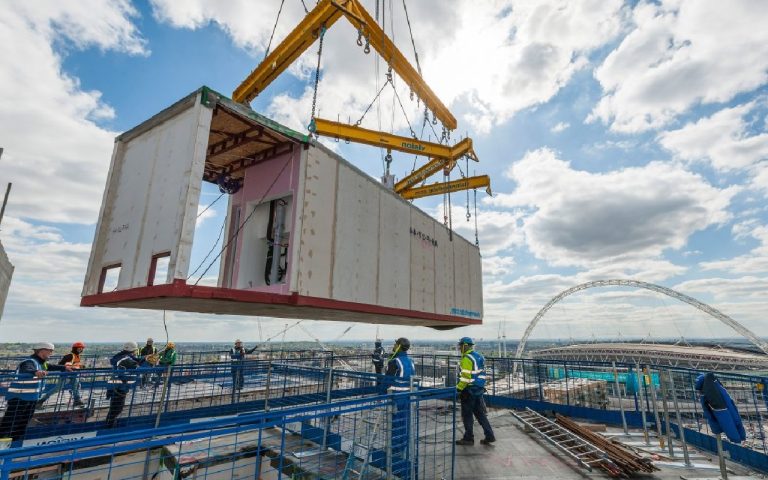
If you’re in the construction business, you already know that transporting construction materials can be a nightmare. From scheduling deliveries to ensuring everything arrives intact, it’s no simple feat. You’ve got trucks, roads, weight limits, and even weather to worry about.
Sections:
But why should you stick around and keep reading? Well, improper handling of transporting construction materials can lead to costly delays and damaged goods. Did you know that transportation costs alone can take up around 50% of your total logistics budget?
That’s right, and messing it up can mess up the entire project. So, if you’re looking to keep your projects running smoothly and your materials safe, buckle up, because we’re diving into the nitty-gritty of how to do it right.
Choosing the Right Mode for Transporting Construction Materials
When transporting construction materials, choosing the right mode is important. It affects delivery speed, cost, and material safety. Whether you opt for road, rail, sea, or air transport, each mode has its own advantages and considerations.
Different Transport Options
There’s more to transporting construction materials than just throwing everything into a truck and hitting the road. Whether you’re hauling bricks, steel beams, or cement, you’ve got multiple modes to choose from—each with its pros and cons.

Trucks are the go-to for short hauls and flexibility, while rail can handle heavy loads over longer distances, but takes longer to set up. Air transport is fastest but costs a fortune and is only ideal for small, urgent items.
Water transport is often overlooked but is perfect for large, bulky materials when time isn’t the main concern. Choosing the right one can significantly impact the efficiency of your operations.
Truckload vs. Less Than Truckload (LTL) Shipping
When it comes to road transport, you’ll need to decide between Full Truckload (FTL) and Less Than Truckload (LTL) shipping. FTL is like having a full pizza to yourself—your materials fill up the entire truck, and it goes directly from point A to point B. LTL, on the other hand, is like sharing the pizza with others.
Your goods share truck space with other shipments, which can lower costs but also increase delivery time. For construction companies looking to move larger, bulkier materials, FTL tends to be the better choice since you have complete control over the load and can avoid potential delays.
Ensuring Safety While Transporting Construction Materials
Moving construction materials safely is really important. You need to make sure everything is packed well and won’t fall or get damaged. It’s also key to follow rules and use the right equipment. This helps keep everyone safe and the materials in good shape.
Proper Packaging and Loading Techniques
The way you pack and load your materials can be the difference between a successful delivery and a disaster. Imagine loading steel beams without securing them properly, and then hitting a speed bump—yeah, it’s not going to end well.
Whether you’re using pallets, crates, or straps, every piece needs to be secure to prevent shifting during transit. Skimping on proper packaging is a surefire way to lose both time and money when your materials arrive damaged, if they arrive at all.
Regulations and Compliance
Another critical piece of the puzzle when transporting construction materials is staying compliant with transportation regulations. Every state has its own set of rules for things like load weight limits and safety protocols. If you fail to comply, not only could you face hefty fines, but your project could be held up until you fix the issue.
The Department of Transportation (DOT) has strict regulations, and it’s crucial to stay on top of them. Trust me, you don’t want your materials stuck in a yard because you didn’t follow proper guidelines.
Reducing Costs When Transporting Construction Materials
Moving construction materials can be expensive, but there are ways to cut those costs. By planning better and using smarter methods, you can save money. Finding cheaper transportation options and reducing waste can also help. Let’s look at some easy ways to lower these expenses.
Smart Route Planning
Time is money, especially when you’re transporting construction materials. Optimizing your delivery routes can save you a ton of both. The shortest route isn’t always the fastest, thanks to traffic, road conditions, and tolls. Leveraging technology like GPS and route optimization software can help avoid these roadblocks (pun intended).
Some companies have reduced their transportation costs by up to 15% just by tweaking their routes. Planning ahead also helps avoid unnecessary trips and delays, making your supply chain more efficient overall.
Bulk Buying and Scheduling Deliveries
One way to cut costs while transporting construction materials is by buying in bulk. Not only can you get a better rate on materials, but you’ll also save on shipping by reducing the number of trips you need to make.
Additionally, try scheduling deliveries during off-peak hours. Roads tend to be less congested, meaning faster travel times and fewer stops. Some companies report saving up to 10% by adjusting delivery schedules. It’s a small tweak with a big impact on your bottom line.
How Weather Affects Transporting Construction Materials
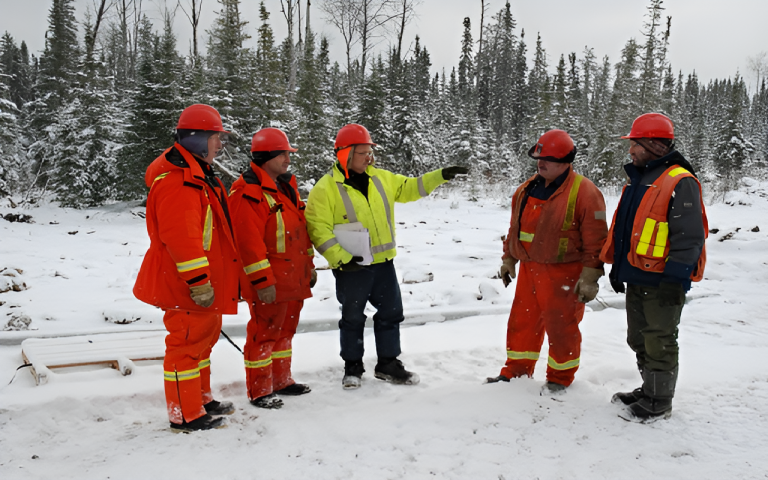
The weather can make transportation of construction materials tricky. Rain, snow, or high winds can slow things down. When the weather changes, it can make roads slippery or difficult to drive on. This can lead to delays and problems with getting materials to the right place on time.
Weather Delays and How to Avoid Them
Mother Nature doesn’t always play nice, and weather can wreak havoc on your plans for transporting construction materials. Heavy rain, snow, or high winds can slow down or even completely stop deliveries. The best way to handle this is to keep a close eye on weather forecasts and build in extra buffer time for potential delays.
Some companies use weather-tracking software to stay a step ahead. The goal is to be proactive instead of reactive, so your project doesn’t get stuck waiting for materials to arrive.
Protecting Materials from the Elements
Certain materials are more susceptible to weather damage than others. For example, cement bags can’t get wet, or they’re useless. Proper tarping and waterproof packaging can go a long way in keeping your materials safe during transport, especially if you’re traveling through different climates.
The last thing you want is to find out your drywall got soaked and is now unusable. So, pack smart, and keep your materials protected from the elements.
FAQs About Transporting Construction Materials
When you need to move construction materials, it’s important to do it safely and efficiently. This guide will help answer common questions about how to transport these materials. We’ll cover what you need to know to avoid problems and get the job done right. Whether you’re moving bricks, wood, or other supplies, we’ve got you covered.
What’s the best way to transport heavy materials?
For heavy loads, rail and full truckload (FTL) shipping are often the most efficient. They can handle more weight and reduce the risk of damage during transport.
How do I calculate transportation costs?
Transportation costs depend on the weight of the materials, distance, and mode of transport. Some companies use logistics software to get a more accurate estimate.
Is There a Way to ensure materials arrive on time?
Yes, proper planning, tracking tools, and choosing reliable carriers are key to on-time deliveries. Don’t forget to account for potential delays like weather or traffic.
Make Transporting Construction Materials a Breeze
Transporting construction materials doesn’t have to be a headache. By choosing the right transport mode, securing your loads, planning smart routes, and considering the weather, you can avoid most of the common pitfalls. Don’t forget about cost-saving strategies like bulk buying and scheduling deliveries for off-peak hours.