Business Hours: 7am - 5pm | Mon - Fri | Call us now at +1-919-996-9226

Cranes getting stuck in the mud can be a real headache on construction sites, causing delays and costing money. If you’ve ever faced this problem, you know how frustrating it can be. This guide will explain how to get stuck crane out in the mud, why it happens, and what you can do to prevent it from happening.
Sections:
Why Cranes Get Stuck in Mud?
Cranes are massive machines designed to lift and move heavy objects. Due to their size and weight, they can easily get stuck in mud, especially on construction sites where the ground may not be stable. Imagine a crane that weighs tons; its sheer mass can exert significant pressure on the ground beneath it. If this ground is soft, wet, or muddy, the crane can sink into it.
This is a common problem on many construction sites, especially after rain or in areas with naturally soft soil. The crane’s heavy weight pushes down, causing it to sink and get stuck, making it difficult to move or operate.
The Consequences of a Stuck Crane
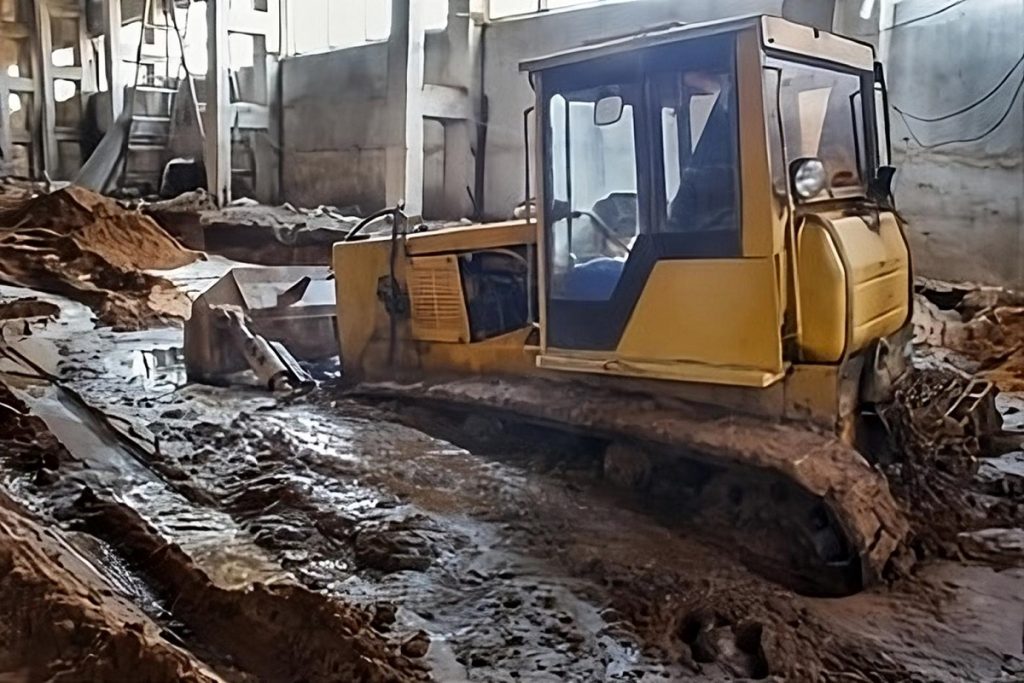
Having a crane stuck in mud can lead to numerous problems on a construction site. First, it causes delays in the operation. Construction projects often run on tight schedules, and having a critical piece of equipment like a crane immobilized can halt progress. Every day the crane is stuck, the project falls behind schedule, which can be costly.
Second, there are increased costs associated with retrieving and repairing the stuck crane. Specialized equipment and personnel are often needed to free the crane, which can be expensive. Furthermore, there might be damage to the crane itself, requiring repairs.
These factors contribute to higher overall project costs and potential penalties for delays, emphasizing the importance of preventing cranes from getting stuck in the first place.
Prevent Cranes from Getting Stuck using Wood mats
One effective way to prevent cranes from getting stuck in mud is by using wood mats. Wood mats are large, sturdy pieces of timber that are laid down on the ground to create a stable surface for the crane to operate on. These mats work by distributing the weight of the crane more evenly across the ground, reducing the pressure on any one point.
This weight distribution helps prevent the crane from sinking into soft or muddy ground. Wood mats are specifically designed to support heavy equipment and are a practical solution for maintaining stability on construction sites with unstable ground conditions.
Getting the Right Wood Mats
When it comes to selecting wood mats for cranes, there are various options available, each suited for different types of ground conditions and equipment weights. Some common types of wood mats include timber mats, crane mats, and laminated mats.
Timber mats are often used for lighter equipment, while crane mats are designed for heavy machinery like cranes. Laminated mats are another option, offering a balance between weight and durability.
When choosing the right wood mats, it’s important to consider the type of ground you’ll be working on and the weight of your crane. Additionally, consider the quality and condition of the mats. High-quality, well-maintained mats are essential for ensuring maximum stability and safety.
Proper Placement of Wood Mats for Crane Road
Start by assessing the area where the crane will be operating. Ensure that the mats cover the entire path where the crane will move, paying special attention to areas where the ground appears soft or uneven. Proper placement of wood mats is crucial for their effectiveness. It’s not just about laying them down; they need to be positioned correctly to provide the best support.
The mats should be placed side by side with no gaps in between to ensure continuous support. It’s also important to overlap the mats slightly, creating a more solid foundation.
This technique helps in distributing the weight evenly and preventing any part of the crane from sinking into the ground. Regular checks should be conducted to ensure the mats remain properly positioned, especially after the crane has moved or after heavy use.
Additional Tips for Crane Operation on Soft Ground
When operating a crane on soft ground, it’s crucial to ensure safety and stability. Use wide mats or plates under the crane’s outriggers to spread the load and prevent sinking. Regularly check the ground conditions, as weather can change the soil’s firmness quickly. Always follow the crane’s load chart and avoid overloading. Finally, keep communication clear among the team to address any issues immediately.
Conducting Ground Assessments
Before operating a crane on potentially soft or muddy ground, it’s essential to conduct thorough ground assessments. This involves checking the ground condition to ensure it can support the crane’s weight. There are several tools and methods available for assessing ground stability.
Simple visual inspections can identify obvious signs of soft ground, such as water pooling or visible mud. More detailed assessments might involve using ground-penetrating radar or other geotechnical tools to analyze the soil composition and stability. By understanding the ground conditions, you can make informed decisions about whether additional support, like wood mats, is needed.
Training Operators
Operator training is another critical aspect of preventing cranes from getting stuck in mud. Even with the best mats and ground assessments, an inexperienced operator can still cause problems. Operators need to be trained to recognize and respond to soft ground conditions. This includes understanding how to adjust the crane’s movements to minimize the risk of getting stuck.
For example, operators should avoid making sharp turns or sudden movements that can increase the pressure on the ground. Proper training ensures that operators are equipped with the knowledge and skills to manage cranes safely and efficiently on soft ground, reducing the risk of accidents and delays.
Summary of Key Points for Stucked Cranes
In summary, cranes can easily get stuck in mud due to their heavy weight and the instability of soft or wet ground. This can lead to significant delays and increased costs on construction projects. However, using wood mats is an effective solution to prevent cranes from getting stuck. These mats distribute the crane’s weight evenly, providing a stable surface for operation.
Choosing the right wood mats, placing them correctly, conducting thorough ground assessments, and ensuring operator training are all crucial steps in this process. By taking these preventive measures, construction projects can run more smoothly, safely, and cost-effectively. Proper planning and the use of wood mats can make a significant difference in maintaining the efficiency and safety of crane operations on soft ground.